

Connection lost Trying to reconnect...
Server disconnected Trying to reconnect...
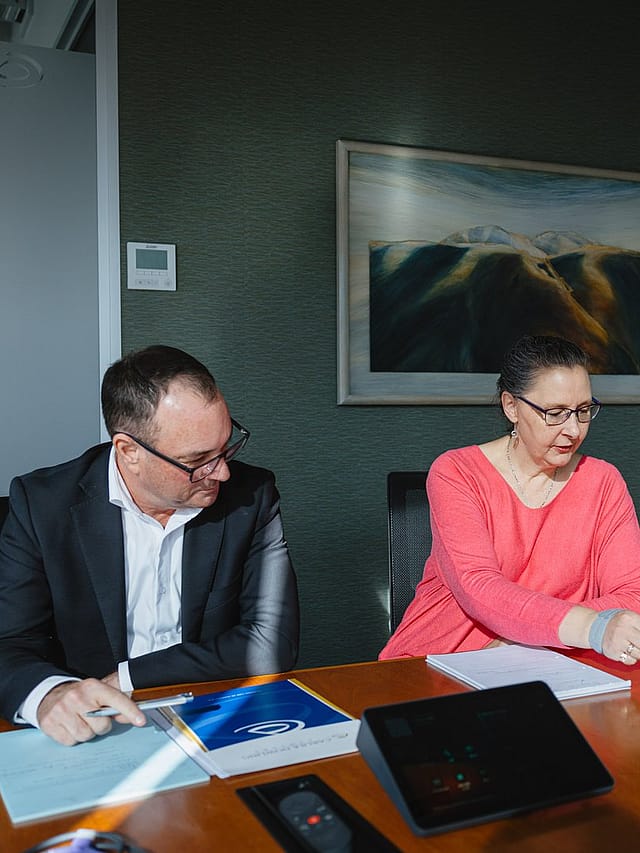
Resolve disputes before they destroy value.
Business disputes are costly distractions. How you handle them significantly affects outcomes. Early strategic advice can resolve matters before they escalate.
Strategy before action.
Skilled negotiation achieves settlements. When necessary, capable litigation protects your interests. The key is understanding your position, your options, and the likely costs before committing to a course of action.

"The best disputes are the ones resolved before they consume your time, money, and relationships."
Erick Smith, ConsultantEarly Assessment
We assess your rights, the likely outcome if the matter proceeds, the realistic costs involved, and what success actually looks like for your situation. This assessment shapes all subsequent decisions.
Strategic Options
Not every dispute belongs in court. We explain the full range of options: direct negotiation, mediation, arbitration, or litigation. Each has different costs, timeframes, and implications for ongoing relationships.
- Negotiate directly
- Mediate with neutral facilitation
- Arbitrate for binding resolution
- Litigate when necessary
Throughout the Process
We keep you informed with realistic assessments at each stage. Costs are managed through proportionality. We adjust strategy as the matter develops, always focused on achieving your objectives efficiently.
Your resolution options.
Different disputes call for different approaches. Here is a quick comparison to help you understand your options.
Negotiation
Direct discussion with the other party, often with lawyer support. Best when parties are still communicating and relationship matters.
Mediation
A neutral third party helps both sides find agreement. Best when direct negotiation has stalled but parties want to resolve without court.
Arbitration
A private decision-maker hears both sides and makes a binding ruling. Best when your contract requires it, or when you want privacy.
Litigation
Court proceedings with a judge deciding the outcome. Best when other options have failed or urgent injunctions are needed.
Not sure which path?
We can assess your situation and recommend the best approach. The right strategy depends on what is at stake, your relationship with the other party, and what success looks like for you.
Discuss Your OptionsDisputes we handle.
We have experience across a wide range of family, commercial and civil disputes in Hawke's Bay and beyond.
Contract Disputes
Breach of contract, interpretation disputes, termination issues, and enforcement actions.
Shareholder & Partnership
Disputes between business owners, shareholder oppression claims, partnership dissolution, and buyout negotiations.
Property Disputes
Boundary disputes, easement issues, neighbour conflicts, and property settlement disagreements.
Debt Recovery
Collection of outstanding debts, enforcement of judgments, and defending unjustified claims.
Employment Disputes
Personal grievances, constructive dismissal, restraint of trade, and employment relationship problems.
Employment Law for EmployersTrust & Estate Disputes
Will challenges, trustee disputes, claims against estates, and family provision claims.
The litigation process.
Carlile Dowling works with specialist barristers to get you the best preparation and court representation.
Pre-Action
Investigation of facts and evidence, pre-action correspondence, assessment of limitation periods, and exploration of early settlement.
Proceedings
Filing statements of claim and defence, interlocutory applications, discovery of documents, and preparation of witness statements.
Resolution or Hearing
Settlement negotiations often continue throughout. Many cases settle at mediation. If not, the matter proceeds to hearing.
After Judgment
Enforcement of judgments if the other party does not pay. Consideration of appeal rights. Implementation of court orders.
Mediation works.
Most mediations result in settlement. It is faster, less expensive, and allows parties to maintain control over the outcome. A neutral mediator helps find common ground without imposing a decision.
Mediation Services
Carlile Dowling offers dedicated mediation services for disputes across commercial, property, trust, and relationship matters. We can act as your neutral mediator or represent you in a mediation.
Explore Mediation ServicesManaging costs.
Dispute resolution can be expensive. We are upfront about costs and focus on proportionality.
Realistic Assessment
Early assessment of your position helps avoid pursuing claims with limited prospects or disproportionate costs.
Proportionality
The strategy should match what is at stake. We do not recommend expensive litigation for modest disputes.
Efficiency
Focused preparation, clear communication, and avoiding unnecessary steps keep costs under control.
Settlement Focus
Most disputes settle. Early settlement discussions and mediation often achieve good outcomes at lower cost.
What Our Clients Say
"Prompt, friendly & efficient service"
"I have always received excellent service from Carlile Dowling."
"A pleasure to work with."
To ensure candour, all feedback was collected anonymously.
Related Reading
Employment Relations Act Changes (21 Feb 2026): What Employers Should Update
A practical employer summary of the 21 February 2026 changes and what to update in agreements, contractor arrangements, and internal processes.
New Zealand Disputes Tribunal: A Complete Guide
Everything you need to know about the Disputes Tribunal. Covers jurisdiction limits, types of disputes, process, costs, and when to use it.
Limitation Periods in New Zealand: Time Limits for Legal Claims
Understanding time limits for legal claims. Covers contract (6 years), tort (6 years), employment (90 days), and when time starts running.
Related Case Studies
View all case studiesResolving a Software Licensing Dispute
Negotiating a settlement after a licensing dispute, reducing exposure and reaching a workable commercial outcome when a vendor made a substantial claim.
Read case studyBuilding a Brand Through Franchising
How we helped a retailer expand nationally with a franchise agreement that balanced brand protection, support obligations, and franchisee expectations.
Read case studyYour Dispute Resolution Team
Experience across litigation, negotiation, and alternative dispute resolution.


Swipe to see more team members
Common Questions About Dispute Resolution
Timeframes vary significantly depending on the complexity of the dispute and the approach taken. Mediation can resolve matters in days or weeks. Negotiated settlements usually take weeks to months.
Court proceedings can take one to two years or more, depending on the court and complexity. We assess likely timeframes early and keep you informed of progress throughout.
Costs depend on the complexity of your dispute and how far it proceeds. We provide estimates where possible and discuss fee arrangements at the outset. Proportionality matters. We do not recommend expensive litigation for modest disputes.
Early settlement through negotiation or mediation is usually far less expensive than contested court proceedings.
Sometimes direct discussion can resolve matters. However, there are risks. Anything you say may be used later. You may inadvertently weaken your position or accept terms that are not in your interest.
Getting legal advice before engaging with the other party helps you understand your position and avoid common pitfalls. Even if you then choose to negotiate directly, you will do so from an informed position.
Court proceedings are public, decided by a judge according to set procedural rules, with rights of appeal. Arbitration is private, decided by an arbitrator chosen by the parties, with limited appeal rights.
Arbitration often applies where your contract includes an arbitration clause. Both have advantages and disadvantages depending on your circumstances.
In court proceedings, the successful party can usually recover a portion of their legal costs from the unsuccessful party. However, cost awards usually cover only 50-70% of actual costs. You should not assume you will recover all your costs even if you succeed.
In mediation and arbitration, cost arrangements depend on the process and any settlement reached.
We discuss your situation and options at the outset. If pursuing a matter through litigation is not financially viable, there may be alternative approaches. Mediation is less expensive than court. Negotiation costs less than both.
In some cases, conditional or contingency fee arrangements may be available. The important thing is to understand your options before making decisions.
Ready to discuss your needs? We're here to help.
