

Connection lost Trying to reconnect...
Server disconnected Trying to reconnect...
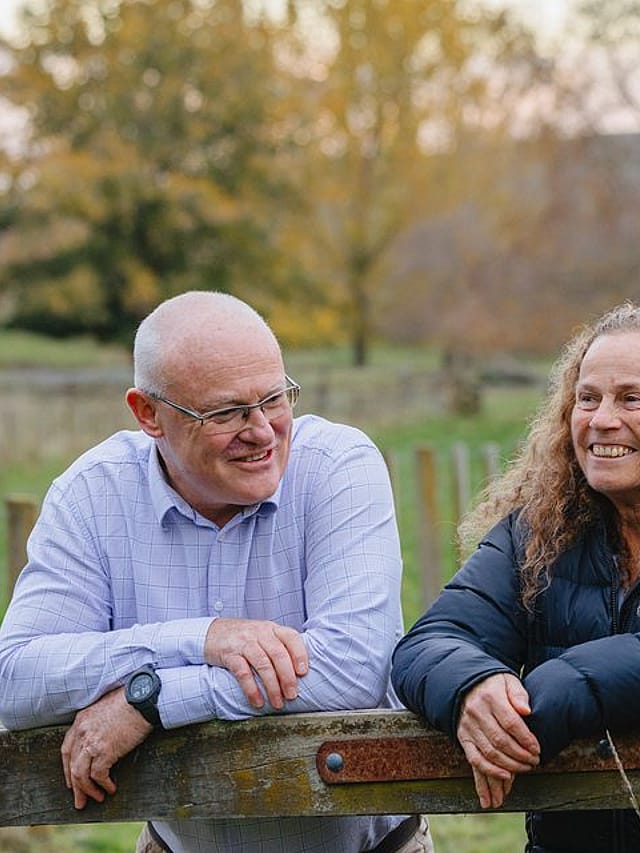
Passing the farm to the next generation. It's family.
Your farm is more than property. It's generations of work, identity, and legacy. The hardest part isn't the legal paperwork. It's getting the family right.
One farm. Multiple children. Impossible maths.
The farm represents your family's primary wealth, built across generations, but usually only one child wants to, or can, continue farming. How do you enable continuity while treating all your children fairly?

"Farm succession is the most complex estate planning challenge a family can face."
Paul Morgan, ConsultantThe Wealth Concentration
For most farming families, the farm represents 80% or more of total family wealth. Dividing it equally would destroy the very thing you've spent your life building.
The Family Equation
One child who wants the farm, others who have built lives elsewhere, and parents who need retirement security; each with legitimate needs and expectations.
- The farming child's years of labour
- Non-farming children's expectations
- Parents' retirement needs
The Tax Complexity
With trust tax rates now at 39%, structures that worked a decade ago may need reconsidering. Getting the timing and structure right can save significant tax exposure during the transition.
- Trust restructuring considerations
- Family-value transfer implications
- Timing strategies
- Farm owning companies
"Fair" and "equal" are not the same thing.
This is perhaps the most important concept in farm succession planning. Understanding the difference—and helping your family understand it—is where we start.
Why Equal Often Isn't Fair
- – The farming child may have worked on the farm for years at below-market wages
- – Dividing the farm may destroy its viability as a working operation
- – Non-farming children may have received university education, house deposits, or other support
- – The farm's current value includes years of the farming child's sweat equity
Approaches That Work
- – Family-value transfers below market rate to the farming child
- – Life insurance to provide for non-farming children
- – Structured payments over time that match farm cash flow
- – Different timing for different children's inheritances
We help families think through these options and find the approach that feels right for their situation. There is no one-size-fits-all answer.
A journey, not a transaction.
Farm succession takes time. We work with you through each stage.
Understanding
We listen to your family's circumstances, review current structures, and understand what matters most to you.
Review
We examine your trust, company, lease, grazing agreement, and personal ownership arrangements to identify options and potential issues.
Planning
We develop a succession plan addressing your goals for the farm, retirement, and children.
Implement
We draft and execute the legal documents: trusts, company, lease, wills, sale agreements, and more.
Support
We remain available as the transition unfolds, supporting the next generation.
Paul Morgan
Paul's rural banking background and farm management experience mean he speaks your language. He understands cash flow cycles, seasonal pressures, and what makes a farm viable.
Erick Smith
Erick owns and operates his own farm. He's faced these succession questions himself. When he advises on farm succession, he's drawing on lived experience, not just legal theory.
150+ Years
Since 1874, Carlile Dowling has worked with the farming families of Hawke's Bay. We've seen these successions across generations. We know what works—and what causes problems.
Your Advisors
We work alongside your accountant for tax implications, your financial adviser for retirement planning, your farm consultant for operational considerations, and your bank for financing options.
The earlier you start, the more options you have.
The most common regret farming families express is not starting earlier. Farm succession is not something to address in your will. By then, your options are limited and your family is left to figure it out without you.
Common triggers to start planning:
- A child shows interest in continuing the farm
- You start thinking about retirement
- Health concerns arise
- Trust law or tax changes affect your structures
Even if succession is years away, an initial conversation helps you understand your options and avoid decisions that limit them.
Farm succession involves coordination across multiple practice areas.
What Our Clients Say
"Paul was a real pleasure to deal with & exceeded our expectations."
"Paul, I have always been happy with your work, the thought you put into it, and scenarios you think of and try to mitigate."
"Service was excellent, fast, and efficient. After not dealing with a Lawyer for quite a few years and our family Lawyer retiring, I was a bit unsure on where to go. My accountant recommended Paul at Carlile Dowling; he was a pleasure to deal with."
To ensure candour, all feedback was collected anonymously.
Related Reading
Estate Planning for Blended Families
Blended families face unique estate planning challenges. Learn how to provide for your spouse while protecting your children's inheritance.
The Rest Home Subsidy Myth: What You Really Need to Know
The belief that gifting assets protects them from rest home costs is one of the most expensive myths in New Zealand. Here's what the law actually says.
Farm Succession Planning in New Zealand
Passing on the family farm requires careful planning. Learn how to balance fairness between farming and non-farming children while protecting your retirement.
Related Case Studies
View all case studiesHelping Children Into Their First Home
A family's journey to help adult children buy property while protecting everyone, documenting gifts or loans and co-ownership to reduce risk and disputes.
Read case studyFamily Funding a Property Purchase
Structuring family help for a home purchase, documenting gifts, loans, and guarantees so everyone understands the terms and future expectations.
Read case study
Meet the team
behind your farm succession matters



Swipe to see more team members
Common Questions
The best time to start is when you begin thinking about it. Common triggers include a child showing interest in continuing the farm, starting to think about retirement, or health concerns arising.
Farm succession usually takes three to five years or more to implement well. Starting early gives you more options and reduces pressure on difficult decisions.
"Fair" and "equal" are not the same thing. The farming child who has worked on the farm for years, often at below-market wages, has contributed value that non-farming children have not.
Common approaches include family-value transfers below market rate, life insurance policies to balance inheritances, and structured payments over time. We help you find the approach that feels right for your family.
Most farming families use trusts, but trusts were often set up for different reasons than succession. The trust structure may or may not suit your succession goals.
We review your trust deed to understand what flexibility exists, then develop succession options that work within or alongside the trust structure. Sometimes trust restructuring is needed.
Your retirement security should come first. Common arrangements include retaining the homestead on subdivided title, a lease-back arrangement on the dwelling, or structured payments from the farming child.
We work with your financial adviser to ensure your retirement income is secure before any succession transfer occurs.
Family conflict during succession planning is common, but it can be managed with the right approach. Clear communication, transparent processes, and fair (not equal) treatment help.
We encourage families to discuss succession openly. Sometimes having a neutral professional present makes these conversations easier. Our mediation services can help if needed.
Absolutely. Farm succession involves legal, accounting, and financial decisions that need to work together. We coordinate with your existing advisors rather than replacing them.
If you do not have established relationships with rural accountants or financial advisers, we can recommend specialists with farming family experience.
Starting the Conversation
How to begin the succession discussion with your family
02Valuation & Ownership Options
Understanding what the farm is worth and different ownership structures
03Protecting Retiring Parents
Ensuring ongoing income, housing, and security
04Fairness to Non-Farming Siblings
Balancing the needs of farming and non-farming children
05Transition & Timeline
Creating a realistic timeline and managing the handover
Ready to discuss your needs? We're here to help.
