Water consents in Hawke's Bay: What property buyers must know
Water is the critical resource for Hawke's Bay rural property. Understanding consent analysis, the Tukituki catchment rules, and what to check before you buy.
Read articleConnection lost Trying to reconnect...
Server disconnected Trying to reconnect...
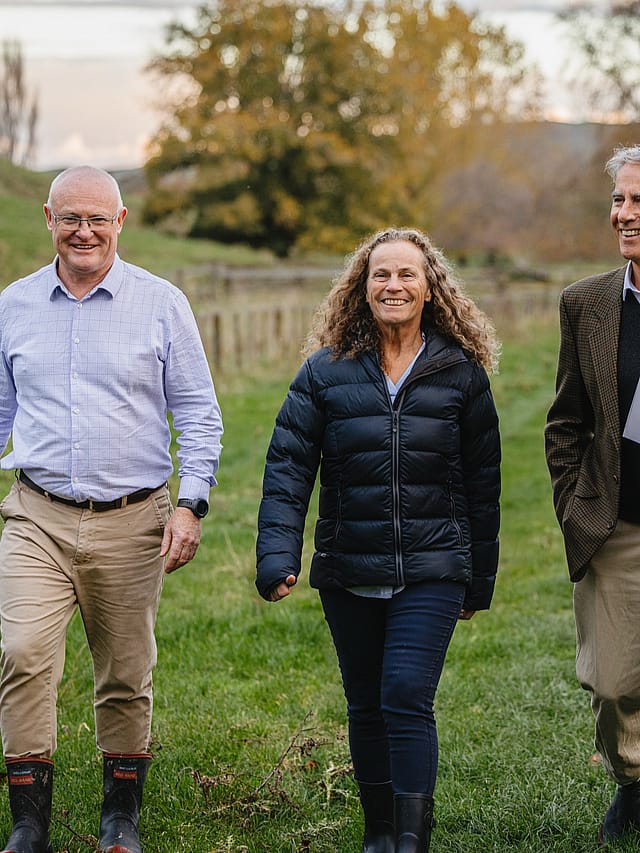
Water rights, access easements, OIO requirements. Rural property demands lawyers who understand farming, not just law.
What makes rural property transactions different and how we help.
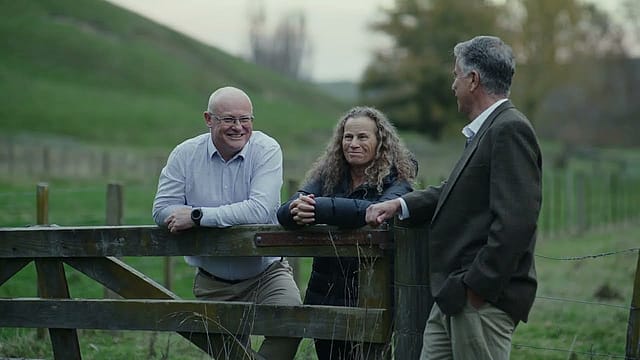
Rural transactions require more than legal expertise. They require understanding of farming operations, water rights, and the unique challenges facing Hawke's Bay landowners.
Paul Morgan came to law after years as a sheep and beef farm manager, then as a rural banking executive. Erick Smith owns and operates rural property in Hawke's Bay today.
Cyclone Gabrielle changed the landscape. We understand the new flood risk overlays, insurance challenges, and title issues affecting rural Hawke's Bay properties.
Decades of working with Hawke's Bay Regional Council, local agents, and rural professionals. We know who to call and how to get things done.
Select your property type to see what matters most for your transaction.
Sheep, beef, dairy. Operational properties where farming infrastructure and stock health history matter as much as the land itself.
Stock, water, successionPip fruit, grapes, kiwifruit. Permanent plantings where variety, plant health, and supply agreements are critical due diligence.
Consents, contracts, marketsNew to rural? Lifestyle blocks bring complexities that aren't obvious at first. Water, septic, access, and ongoing obligations differ from residential.
Access, water, servicesIn Hawke's Bay, water rights can determine whether a property is viable for your intended use. We analyse every aspect.
Start Here
Special Rules
Some of New Zealand's strictest water regulations apply here. New consents are increasingly difficult. Existing takes may face review.
Water Sources
Infrastructure
Rural access is rarely straightforward. Legal access and practical access are different things.
Does it exist? Formed road or paper road? Easements documented?
Can you get machinery where needed? Bridges, fords, seasonal issues?
Right of way obligations, maintenance costs, stock movement.
Overseas buyers face additional requirements. We guide you through the Overseas Investment Office process.
Most rural land over 5 hectares requires consent. Non-urban land adjoining reserves, the coast, or lakes also triggers requirements.
Even New Zealand residents may need consent depending on shareholding structures and land classifications.
OIO applications take months. We factor this into your transaction timeline from day one.
Water rights, access, productive capacity, regulatory compliance. We examine what residential lawyers miss.
Pre-sale preparation, consent documentation, livestock and plant settlements. Maximise value, avoid complications.
The farm is the family asset, but only one child wants to farm. We help balance fairness with continuity.
Farm leases, grazing agreements, sharemilking, contract milking, forestry rights. Terms that work for both parties.
Moving from the city? Our guide explains what's different about rural property and how we protect you through the purchase process.
Read the GuideNo town supply means different responsibilities
Legal vs practical access explained
Regional Council charges and levies
Fencing, tracks, and maintenance
"Paul was a real pleasure to deal with & exceeded our expectations."
To ensure candour, all feedback was collected anonymously.
Water is the critical resource for Hawke's Bay rural property. Understanding consent analysis, the Tukituki catchment rules, and what to check before you buy.
Read articlePassing on the family farm requires careful planning. Learn how to balance fairness between farming and non-farming children while protecting your retirement.
Read articleEasements, caveats and covenants affect what you can do with your property. Understand these common title restrictions before buying or selling.
Read articleRural conveyancing involves additional considerations that residential transactions rarely encounter. Water rights, access easements, council and regional council consents, productive capacity assessment, and livestock or crop valuations all require attention.
Rural due diligence takes longer and requires understanding of both property law and farming operations. We have the expertise in both.
Water is the critical resource for Hawke's Bay rural property. We investigate water take consents, their conditions and expiry dates, bore and surface water sources, irrigation infrastructure, and water storage arrangements.
We also review the property's position within catchment regulations, particularly relevant for the Tukituki catchment where strict limits apply.
Yes. The Overseas Investment Office consent process is required for overseas buyers acquiring sensitive land above certain thresholds. We handle OIO applications, advise on benefit requirements, and manage the approval process.
OIO consent can take several months, so early engagement is important if you are an overseas purchaser or selling to one.
Livestock, crops, and plant require separate valuation and settlement adjustments. We ensure appropriate terms are included in the agreement regarding valuation timing, risk allocation before settlement, and handover arrangements.
For complex operations, we coordinate with rural valuers and accountants to ensure the transaction proceeds smoothly.
Rural subdivision involves council consent processes, survey requirements, and compliance with district plan rules around minimum lot sizes, productive land protection, and access standards.
We work with surveyors and planners to manage subdivision applications and ensure resulting titles are clean and marketable.
Yes. Paul Morgan brings decades of rural banking and farm management experience. Erick Smith owns and operates rural property in Hawke's Bay. We understand the operational realities behind every rural transaction.
When we review a water consent, we think about irrigation schedules. When we examine an access easement, we consider how you will move stock or machinery. We speak farming, not just property law.
Transactions involving Maori land are governed by Te Ture Whenua Maori Act and require specific processes including Maori Land Court approval. We can advise on the requirements and assist with appropriate transactions.
These transactions involve additional steps and timeframes compared to general land purchases.
The best time to start is when you begin thinking about it. Common triggers include a child showing interest in continuing the farm, starting to think about retirement, or health concerns arising.
Farm succession usually takes three to five years or more to implement well. Starting early gives you more options and reduces pressure on difficult decisions.
"Fair" and "equal" are not the same thing. The farming child who has worked on the farm for years, often at below-market wages, has contributed value that non-farming children have not.
Common approaches include family-value transfers below market rate, life insurance policies to balance inheritances, and structured payments over time. We help you find the approach that feels right for your family.
Most farming families use trusts, but trusts were often set up for different reasons than succession. The trust structure may or may not suit your succession goals.
We review your trust deed to understand what flexibility exists, then develop succession options that work within or alongside the trust structure. Sometimes trust restructuring is needed.
Your retirement security should come first. Common arrangements include retaining the homestead on subdivided title, a lease-back arrangement on the dwelling, or structured payments from the farming child.
We work with your financial adviser to ensure your retirement income is secure before any succession transfer occurs.
Absolutely. Farm succession involves legal, accounting, and financial decisions that need to work together. We coordinate with your existing advisors rather than replacing them.
If you do not have established relationships with rural accountants or financial advisers, we can recommend specialists with farming family experience.
Essential considerations before purchasing a lifestyle block.
Read the Guide