

Connection lost Trying to reconnect...
Server disconnected Trying to reconnect...

No EPA in place?
There's still a path forward.
When someone you care for has lost capacity without an Enduring Power of Attorney, the court can grant you authority to act. We guide families through this process every week.
This happens to many families.
When someone loses capacity suddenly through dementia, stroke, accident or illness, family members often find themselves unable to act. Banks freeze accounts. Medical providers need authority. Bills pile up.
Banks Won't Release Funds
Without legal authority, you cannot access their accounts, even to pay for their care. Banks are legally required to protect the account holder.
Healthcare Decisions
Major medical treatment decisions may require someone with legal authority to consent. Legally, family relationships alone are not sufficient.
Property Cannot Be Sold
If the family home needs to be sold to pay for rest home care, no one can sign on their behalf. The property sits frozen.
The court can grant authority
The Protection of Personal and Property Rights Act 1988 (PPPR Act) provides several types of court orders, depending on what your family needs.
Property Orders
For specific financial transactions. The court authorises a particular action, like selling a property or accessing a bank account.
One-time authorityProperty Manager
For ongoing financial management. You are appointed to handle all their financial affairs, bank accounts, investments, and property.
Ongoing authorityPersonal Orders
For specific welfare decisions. The court authorises decisions about healthcare, living arrangements, or other personal matters.
One-time authorityWelfare Guardian
For ongoing care decisions. You are appointed to make all personal and welfare decisions on their behalf, including healthcare and daily needs.
Ongoing authorityWe assess your situation and advise which orders you need.
Call to Discuss Your SituationHow a court application works.
Application Filed
We prepare and file the application on your behalf, including all required documentation.
Medical Evidence
A capacity assessment from a doctor confirms the person can no longer make decisions.
Court Review
The court reviews the application and evidence. A hearing may be required in some cases.
Orders Made
The court grants authority for specific matters, giving you the legal power to act.
What we handle for you
Selling property for care
When a family home needs to be sold to pay for rest home care but the owner cannot sign the documents.
Accessing bank accounts
When banks require legal authority before releasing funds from someone's account, even to pay for their care.
Healthcare decisions
When medical treatment decisions need to be made and no one has legal authority to consent.
Moving to residential care
When someone needs to move into a care facility but cannot consent to the arrangements.
Partner loses capacity
When one partner in a relationship can no longer manage joint or personal affairs.
Does your situation sound like one of these?
Call 06 835 7394 →Preventing this for others
The court application process exists because Enduring Powers of Attorney were not in place. If one partner has lost capacity, this is the right time for the other partner to review their own planning.
Learn about Enduring Powers of AttorneyWhat Our Clients Say
"Tracey was very approachable and explained the services very clearly to my 86-year-old mother. She made us both feel very comfortable."
"Great prompt service. Informative information relayed in explaining EPOA."
"Tracey was considerate and respectful in her engagement with my uncle. Much appreciated!"
To ensure candour, all feedback was collected anonymously.
Related Reading
Estate Planning for Blended Families
Blended families face unique estate planning challenges. Learn how to provide for your spouse while protecting your children's inheritance.
Farm Succession Planning in New Zealand
Passing on the family farm requires careful planning. Learn how to balance fairness between farming and non-farming children while protecting your retirement.
The Rest Home Subsidy Myth: What You Really Need to Know
The belief that gifting assets protects them from rest home costs is one of the most expensive myths in New Zealand. Here's what the law actually says.
Related Case Studies
View all case studiesSettlor Powers and Trust Validity
How we helped a family restructure their trust to maintain control while ensuring legal validity under the Trusts Act 2019.
Read case studyUpdating Trust Beneficiaries
How we helped trustees update beneficiary records after family changes, so trust documents, distributions, and future planning stayed clear and consistent.
Read case study
Experienced lawyers who understand
the urgency and sensitivity of these situations

Michael Morgan
Director

Paul Morgan
Consultant
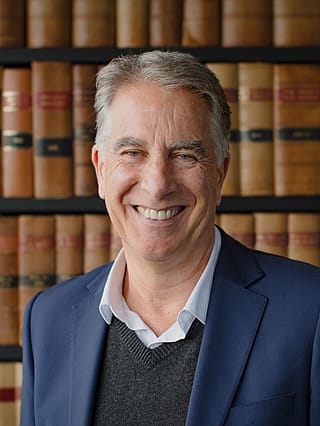
Erick Smith
Consultant

Richard Natusch
Senior Associate
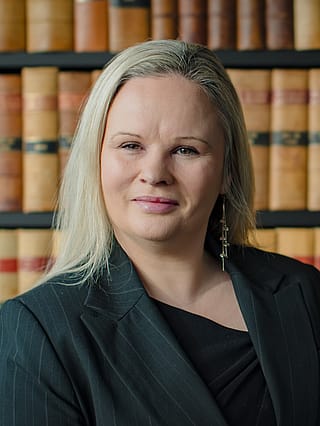
Tracey Shadbolt
Senior Associate

Michael McLean
Solicitor
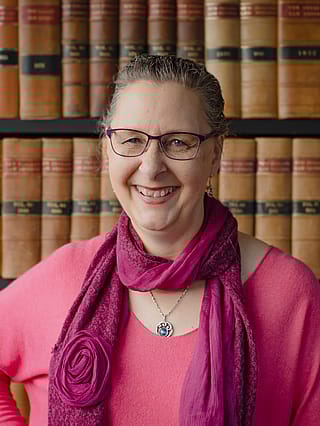
Lynette Jenks
Estates Executive
Swipe to see more team members
Common Questions About Mental Incapacity
"Fair" and "equal" are not the same thing. The farming child who has worked on the farm for years, often at below-market wages, has contributed value that non-farming children have not.
Common approaches include family-value transfers below market rate, life insurance policies to balance inheritances, and structured payments over time. We help you find the approach that feels right for your family.
Start with a conversation about your situation and goals. We will discuss your family circumstances, your assets, and what you want to achieve. From there, we recommend the appropriate combination of will, trust, and powers of attorney.
You do not need to come with documents or detailed plans. We guide you through the process step by step.
Not necessarily. A will handles the distribution of your personal assets after death. A trust is a separate structure that can provide asset protection, control over distribution timing, and tax planning benefits during your lifetime and after.
Many people only need a will and powers of attorney. We help you decide whether a trust would add value in your situation.
A will takes effect only after you die. It directs how your personal assets are distributed and who will manage your estate.
An Enduring Power of Attorney (EPA) operates while you are alive but unable to make decisions for yourself. It allows someone you trust to manage your finances or make welfare decisions on your behalf.
You need both to have a complete estate plan.
We recommend reviewing your estate plan every three to five years, or whenever a significant life event occurs. This includes marriage, divorce, birth of children or grandchildren, significant changes in assets, or receiving an inheritance.
Laws also change. Documents prepared years ago may not reflect current legislation like the Trusts Act 2019.
Yes, with proper planning. Assets left directly to a child become their property and potentially relationship property. However, a properly structured trust, combined with appropriate will provisions, can protect assets from relationship property claims.
The protection is not automatic. It requires careful structuring and ongoing management. We can explain the options that suit your situation.
Not automatically. The Ministry of Social Development can look through trusts when assessing eligibility for the residential care subsidy. This is particularly true if you transferred assets to the trust within the last five years, if you continue to benefit from the trust, or if the trust was set up primarily to qualify for the subsidy.
Planning can help in some situations, but we provide realistic advice about what is possible, not false promises.
Every adult should have at least a will and powers of attorney. Life is unpredictable, and having these documents in place protects you and your family regardless of age.
More comprehensive planning, including trusts and business succession, usually becomes relevant as you accumulate assets, start a business, or have children to consider.
Yes. If you own property in New Zealand, you should have New Zealand legal documents to deal with those assets. Your overseas will may not effectively cover New Zealand property.
We regularly assist clients who live overseas but have property or other assets in New Zealand. Documents can be signed overseas with appropriate witnessing.
Ready to discuss your needs? We're here to help.
