

Connection lost Trying to reconnect...
Server disconnected Trying to reconnect...

Three pillars of complete planning.
Your will, trust, and powers of attorney should work as one. When they do, your family is protected and your wishes are clear.
Planning for the Future
Why comprehensive estate planning matters.
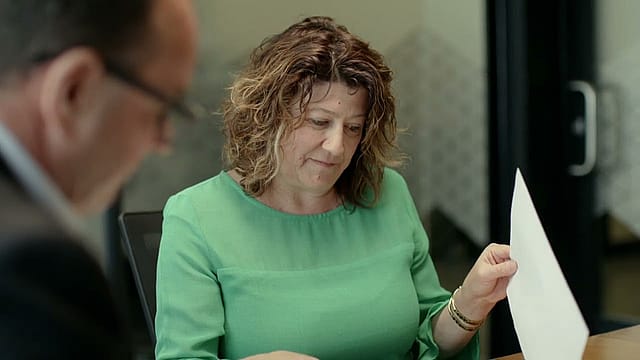
Will + Trust + EPAs = Complete planning.
Estate planning is more than writing a will. It brings together three essential instruments, each serving a specific purpose, that work together to protect your family.
"When these instruments work together, there is no confusion when decisions need to be made."
Michael Morgan, DirectorYour Will
Directs how your personal assets are distributed after death. Names your executor, specifies beneficiaries, and can provide for guardianship of minor children.
If you have a trust, your will needs to coordinate with it.
Trust Arrangements
Protects assets, provides for vulnerable family members, and gives you control over how and when assets are distributed. Not everyone needs a trust, but many benefit.
The landscape has changed with the Trusts Act 2019 and the 39% trustee tax rate.
Enduring Powers of Attorney
Protect you during your lifetime if you become unable to manage your own affairs. Without them, your family may need court authority to manage your finances or care.
A will only takes effect after death. EPAs fill the gap.
Life events that prompt planning
Estate planning is not a one-time event. These moments often signal it is time to create or review your plan.
Marriage or Separation
New relationships and endings change everything about who should inherit and who should make decisions.
Children Arrive
Guardianship, inheritance protection, and providing for children who cannot yet manage money themselves.
Property Purchase
Your first significant asset. Consider how it should be held and what happens if you cannot pay the mortgage.
Receiving an Inheritance
Sudden wealth requires thought. How will you protect it? How will you eventually pass it on?
Business Ownership
Succession planning, shareholder agreements, and coordination with your will and any trusts.
Approaching Retirement
Time to consolidate, simplify, and ensure your affairs are in order for the next chapter.
Aging Parents
Watching parents navigate this stage often prompts your own planning conversations.
Health Diagnosis
A wake-up call that prompts action. Better to plan while you can still make decisions.
When documents work together.
Many people have a will prepared by one lawyer, a trust set up by another, and powers of attorney done somewhere else. Without coordination, these documents can conflict or leave gaps.
Common problems we see:
Will and trust misalignment
The will assumes assets are personally held, but the main assets are in a trust. The will has nothing to distribute.
Inconsistent decision makers
Different people named as attorneys, executors, and trustees. They may disagree when the time comes.
Forgotten beneficiary nominations
KiwiSaver or insurance nominations still name a former spouse, or do not reflect the current family.
Integrated Plan
Result
One coherent plan
Same people, same intentions, no gaps
Estate Plan Review
We examine your existing documents, identify gaps and conflicts, and provide a clear roadmap for getting your estate plan in order.
Will & EPA Package
The essential documents everyone needs: a properly drafted will and both property and personal care powers of attorney.
Trust Integration
Ensuring your trust arrangements coordinate with your will and powers of attorney. Reviewing whether your trust still serves its purpose. Helping you write a memorandum of wishes.
Blended Family Planning
Second marriages and blended families require careful planning to balance spousal protection with children from earlier relationships.
Business Succession
Planning for what happens to your business when you can no longer run it. Shareholder agreements, succession planning, and estate coordination.
What Our Clients Say
"Thanks for making the trust wind up so smooth and painless."
"Very easy, fast, and efficient process to change details in my Will. I was pleasantly surprised at the account!!"
"Very happy with the friendly & professional team at your law firm. The way they handled my mother's estate during very difficult times for the whole family was amazing."
To ensure candour, all feedback was collected anonymously.
Related Reading
Estate Planning for Blended Families
Blended families face unique estate planning challenges. Learn how to provide for your spouse while protecting your children's inheritance.
Farm Succession Planning in New Zealand
Passing on the family farm requires careful planning. Learn how to balance fairness between farming and non-farming children while protecting your retirement.
The Rest Home Subsidy Myth: What You Really Need to Know
The belief that gifting assets protects them from rest home costs is one of the most expensive myths in New Zealand. Here's what the law actually says.
Related Case Studies
View all case studiesSettlor Powers and Trust Validity
How we helped a family restructure their trust to maintain control while ensuring legal validity under the Trusts Act 2019.
Read case studyUpdating Trust Beneficiaries
How we helped trustees update beneficiary records after family changes, so trust documents, distributions, and future planning stayed clear and consistent.
Read case study
Comprehensive advice
from experienced specialists
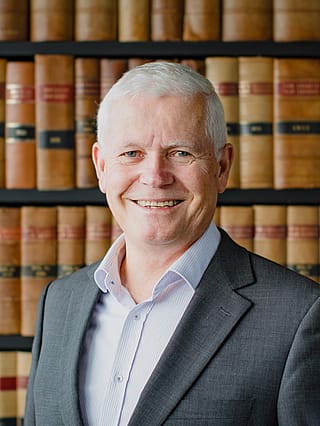
Michael Morgan
Director
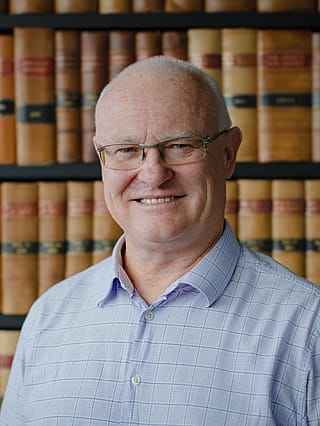
Paul Morgan
Consultant
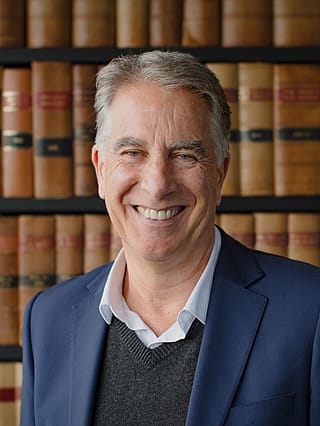
Erick Smith
Consultant
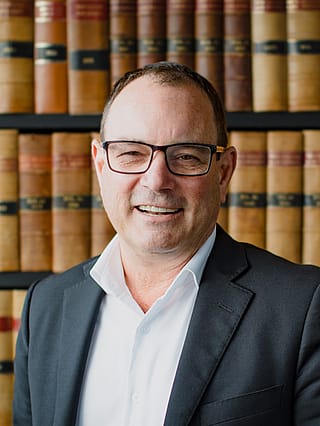
Richard Natusch
Senior Associate
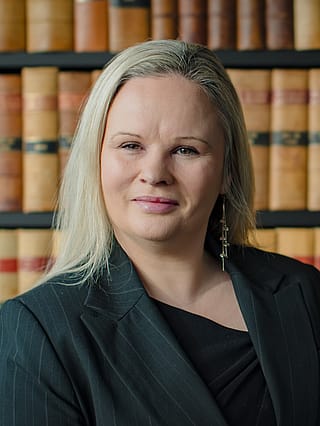
Tracey Shadbolt
Senior Associate
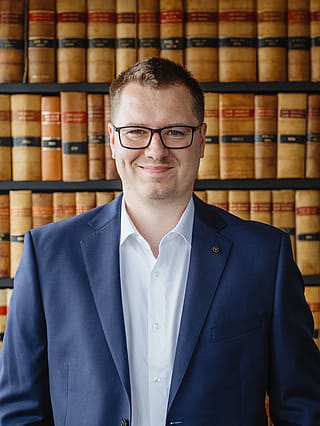
Michael McLean
Solicitor
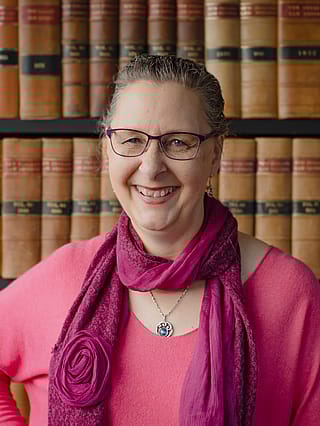
Lynette Jenks
Estates Executive
Swipe to see more team members
Common Questions About Estate Planning
"Fair" and "equal" are not the same thing. The farming child who has worked on the farm for years, often at below-market wages, has contributed value that non-farming children have not.
Common approaches include family-value transfers below market rate, life insurance policies to balance inheritances, and structured payments over time. We help you find the approach that feels right for your family.
Start with a conversation about your situation and goals. We will discuss your family circumstances, your assets, and what you want to achieve. From there, we recommend the appropriate combination of will, trust, and powers of attorney.
You do not need to come with documents or detailed plans. We guide you through the process step by step.
Not necessarily. A will handles the distribution of your personal assets after death. A trust is a separate structure that can provide asset protection, control over distribution timing, and tax planning benefits during your lifetime and after.
Many people only need a will and powers of attorney. We help you decide whether a trust would add value in your situation.
A will takes effect only after you die. It directs how your personal assets are distributed and who will manage your estate.
An Enduring Power of Attorney (EPA) operates while you are alive but unable to make decisions for yourself. It allows someone you trust to manage your finances or make welfare decisions on your behalf.
You need both to have a complete estate plan.
We recommend reviewing your estate plan every three to five years, or whenever a significant life event occurs. This includes marriage, divorce, birth of children or grandchildren, significant changes in assets, or receiving an inheritance.
Laws also change. Documents prepared years ago may not reflect current legislation like the Trusts Act 2019.
Yes, with proper planning. Assets left directly to a child become their property and potentially relationship property. However, a properly structured trust, combined with appropriate will provisions, can protect assets from relationship property claims.
The protection is not automatic. It requires careful structuring and ongoing management. We can explain the options that suit your situation.
Not automatically. The Ministry of Social Development can look through trusts when assessing eligibility for the residential care subsidy. This is particularly true if you transferred assets to the trust within the last five years, if you continue to benefit from the trust, or if the trust was set up primarily to qualify for the subsidy.
Planning can help in some situations, but we provide realistic advice about what is possible, not false promises.
Every adult should have at least a will and powers of attorney. Life is unpredictable, and having these documents in place protects you and your family regardless of age.
More comprehensive planning, including trusts and business succession, usually becomes relevant as you accumulate assets, start a business, or have children to consider.
Yes. If you own property in New Zealand, you should have New Zealand legal documents to deal with those assets. Your overseas will may not effectively cover New Zealand property.
We regularly assist clients who live overseas but have property or other assets in New Zealand. Documents can be signed overseas with appropriate witnessing.
Ready to discuss your needs? We're here to help.
